Home › Asphalt Milling and Reclamation
Prepare worn pavements for new life with asphalt milling in Jacksonville, FL. We remove ruts, bumps, and old surfaces to the desired depth so overlays bond and drain correctly. For severely distressed areas, we offer full depth reclamation that recycles existing materials into a strong, stabilized base for repaving.
Precision Asphalt Jacksonville provides professional asphalt milling throughout Jacksonville, FL, Florida and the surrounding area. Our licensed, insured crew delivers safe, clean, on-time work with a free estimate before anything begins. Call (904) 817-0896 or request your free quote.
Asphalt Milling in Jacksonville, FL: What It Is and When You Need It
If your parking lot or driveway is rough, cracked, or holding water but the base is still solid, asphalt milling can be a smart alternative to a full tear out. At Precision Asphalt Jacksonville, we use asphalt milling to remove a controlled thickness of old asphalt so we can install a new, smooth surface that ties cleanly into your existing concrete and surrounding grades.
Milling is especially useful in Jacksonville because many properties have been resurfaced several times. Each new layer raises the elevation a little more, which can create trip edges at sidewalks, low spots where water ponds, or thresholds that are too high at garages and doors. Milling lets us “reset” the height by grinding off just what is needed, then repaving to the correct slope so water runs to drains or swales instead of sitting on the pavement.
This process works well on commercial parking lots, HOA roads, apartment complexes, and longer residential driveways. If your pavement shows widespread surface cracking, raveling (where the top starts to look gritty or loose), rutting in wheel paths, or drainage issues, you are a good candidate for milling. If we find base failures or pumping (soft, spongy spots that move under traffic), we can spot repair those areas during the same project before we resurface.
Because Jacksonville often gets intense summer thunderstorms, the ability to adjust slopes and clean up low spots during milling is a big advantage. It is one of the most reliable ways to correct years of patching and overlays that have slowly changed how water flows across your site.
How Our Asphalt Milling Process Works Step by Step
When Precision Asphalt Jacksonville handles an asphalt milling project, we follow a clear sequence so your property stays usable and the finished surface holds up in our North Florida climate.
First, we walk the site with you and mark problem areas. We look for puddle locations, birdbaths, high spots at concrete, uneven transitions to the street, and any cracking patterns that might signal base issues. We also measure current elevations and slopes to decide how much material needs to come off to improve drainage without exposing base stone.
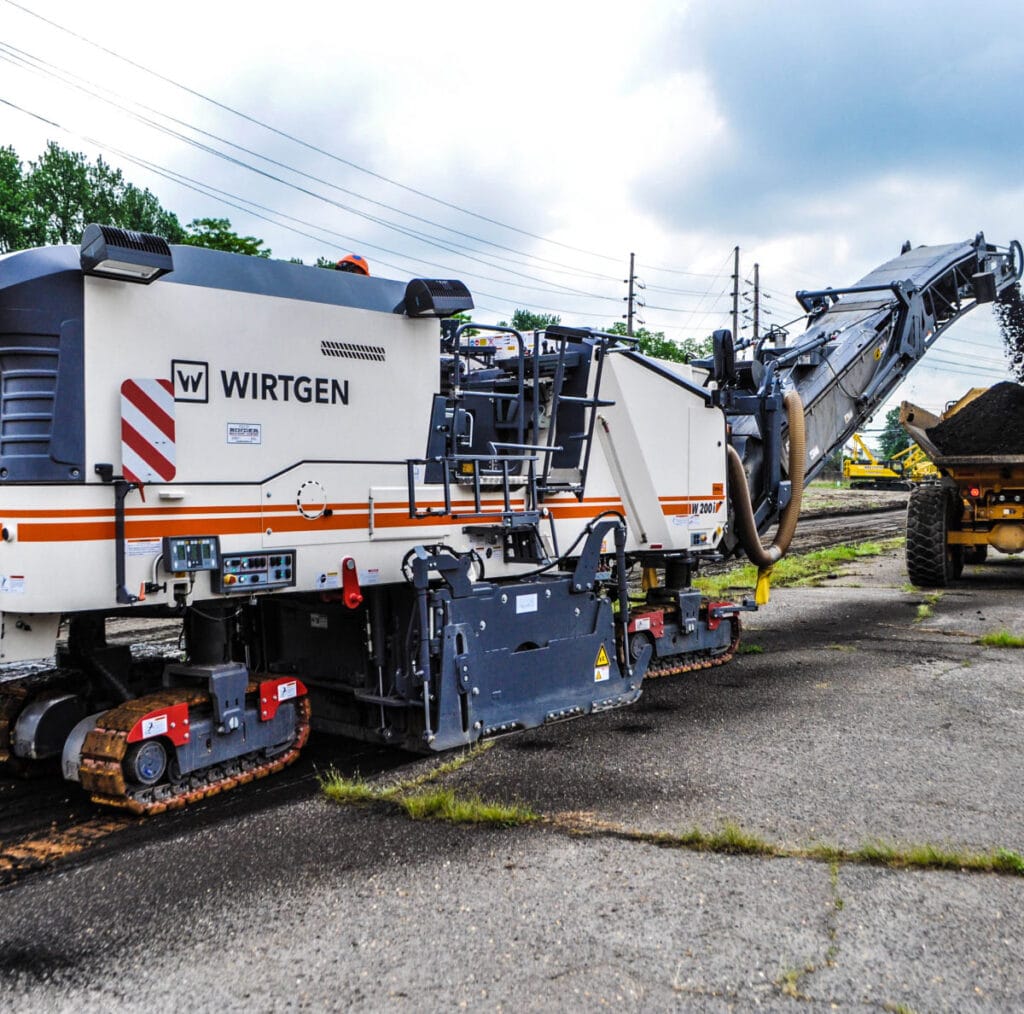
Next, we bring in a milling machine sized for your job. Larger commercial lots may use a full‑size cold planer that can cut 6 to 7 feet wide per pass, while residential or tighter areas may use a compact mill that is easier to maneuver. The machine uses a rotating drum with carbide teeth to grind the asphalt to a set depth, usually from 1 to 3 inches depending on the condition and the planned new overlay.
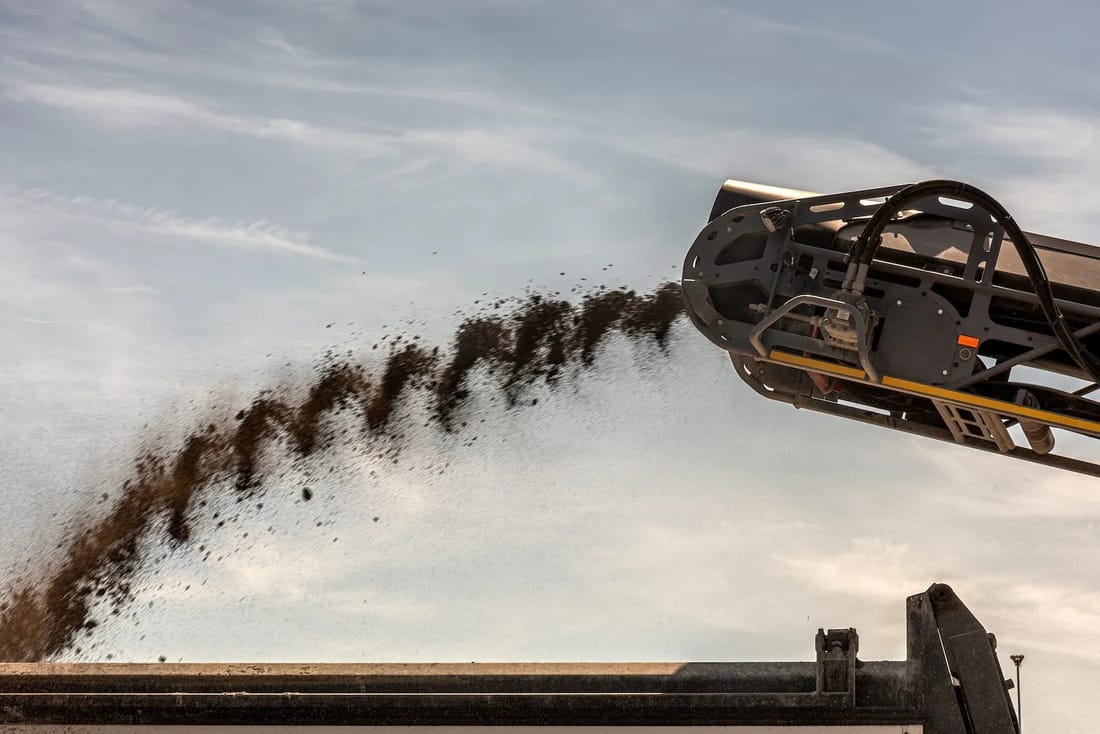
As the mill moves, a conveyor loads the milled asphalt (called RAP, or reclaimed asphalt pavement) into dump trucks. We either reuse this RAP on your site as a base improvement where appropriate, or haul it to an asphalt plant for recycling. In either case, the material is not wasted, which helps control cost and reduces environmental impact.
After milling, our crew cleans the surface thoroughly using brooms and blowers. We then recheck grades and drainage by running water or using laser levels. If we find soft base areas or spots where water will still sit, we correct those before any new asphalt is placed. Finally, we apply tack coat to bond the old surface to the new asphalt lift and pave a fresh, compacted layer to the proper thickness, followed by rolling to achieve a tight, smooth finish.
Full‑Depth Reclamation: Rebuilding Failing Pavement the Smart Way
When milling alone is not enough because the base under your pavement is failing, full‑depth reclamation becomes a cost‑effective option. This process rebuilds your pavement structure using the material you already have on site. It is particularly helpful on older private roads, large parking areas, and long driveways in and around Jacksonville where years of truck traffic or poor drainage have weakened the base.
With reclamation, Precision Asphalt Jacksonville uses a specialized reclaimer to grind the existing asphalt and a controlled depth of base material together, typically 6 to 10 inches deep. We can add cement, lime, or engineered emulsions if needed to stabilize the mix. This blended layer is then graded and compacted to form a strong, uniform base that is far more stable than the original patchwork of repairs.
Because our area has sandy subsoils and a high water table in many neighborhoods, some pavements lose support over time, especially where runoff from downspouts or neighboring properties crosses the drive or lot. Reclamation allows us to correct these chronic weak areas by improving the base thickness and stiffness, sometimes combined with minor drainage adjustments like cutting new swales or adding underdrains.
Once the reclaimed base is shaped to the correct profile and compaction tests look good, we apply a curing period if stabilizers are used, then place new asphalt over the top. The final structure often performs like a new road but at a lower cost than removing and hauling away everything. In Jacksonville’s climate, a properly reclaimed and paved section can handle daily traffic and heavy summer rains with far less risk of rutting and reflective cracking.
What Affects the Cost of Asphalt Milling and Reclamation in Jacksonville
Homeowners and property managers often ask why two similar‑looking lots can have very different pricing for milling work. Several specific factors drive the cost of asphalt milling and reclamation projects in Jacksonville, and understanding them will help you plan and budget realistically.
Depth of milling or reclamation is one of the biggest variables. Removing a light 1 inch profile to correct surface wear is quicker and uses less machine time than cutting 3 inches to reset your elevations. Reclamation at 8 or 10 inches deep requires more power, more stabilizer material if used, and more compaction effort. The thicker you need to go, the more labor and equipment hours are involved.
Accessibility and layout also matter. Open, rectangular lots are more efficient to mill than properties broken up with islands, tight corners, and many small tie‑ins to concrete or utilities. A long straight warehouse driveway may mill quickly, while a medical office with constant patient traffic needs more staging, flagging, and off‑hours work, which adds to cost.
Existing pavement condition will influence price as well. Heavy cracking that indicates base failure means we should plan for additional repairs below the surface, not just a quick mill and overlay. In some Jacksonville neighborhoods with older infrastructure, we must work carefully around shallow utilities and adjustable manholes, which adds time for adjustments and protection.
Timing can play a role too. Our rainy season and afternoon thunderstorms can limit workable hours on certain days, so scheduling larger projects in drier windows, usually late fall through early spring, can be more efficient. However, we routinely manage milling and reclamation through the summer as well by planning for early starts, weather monitoring, and phased work areas so your property stays functional while we work.
Local Tips Before You Hire an Asphalt Milling Contractor
Before you move forward with an asphalt milling or reclamation project in Jacksonville, there are a few local realities to think through so you get the most value from the work.
First, look closely at how water behaves on your property after a typical Florida storm. Take note of where water stands for more than a few hours, or where it flows toward buildings or low door thresholds. Share this information with us when Precision Asphalt Jacksonville evaluates your site so we can adjust slopes during milling to push water where it belongs. Correcting drainage while the pavement is open is far cheaper than trying to solve it later.
Second, consider how your traffic patterns and schedule will impact the project. For businesses, think about your busiest times, delivery routes, and customer access. Milling can often be done in phases so part of your lot stays open, or scheduled in the evening or on weekends if needed. For longer residential driveways, we coordinate so you still have a way to get vehicles in and out at key times, especially if you have work or school commitments.
Third, ask about what will happen with the milled material. Responsible contractors either recycle the RAP at an asphalt plant or reuse it properly as base material. Randomly spreading it in ditches or on soft soil without compaction can cause more problems in the future, especially once it is saturated by Jacksonville rains.
Finally, make sure the contractor is planning for our heat and humidity. Surfaces should be clean and dry before tack coat and overlay, and compaction needs to be done quickly while the asphalt temperature is in the right range. At Precision Asphalt Jacksonville, we plan crew size, truck cycles, and equipment so the new asphalt is fully compacted before it cools, which is critical for long‑term performance in our climate.