Home › Asphalt Resurfacing & Overlays
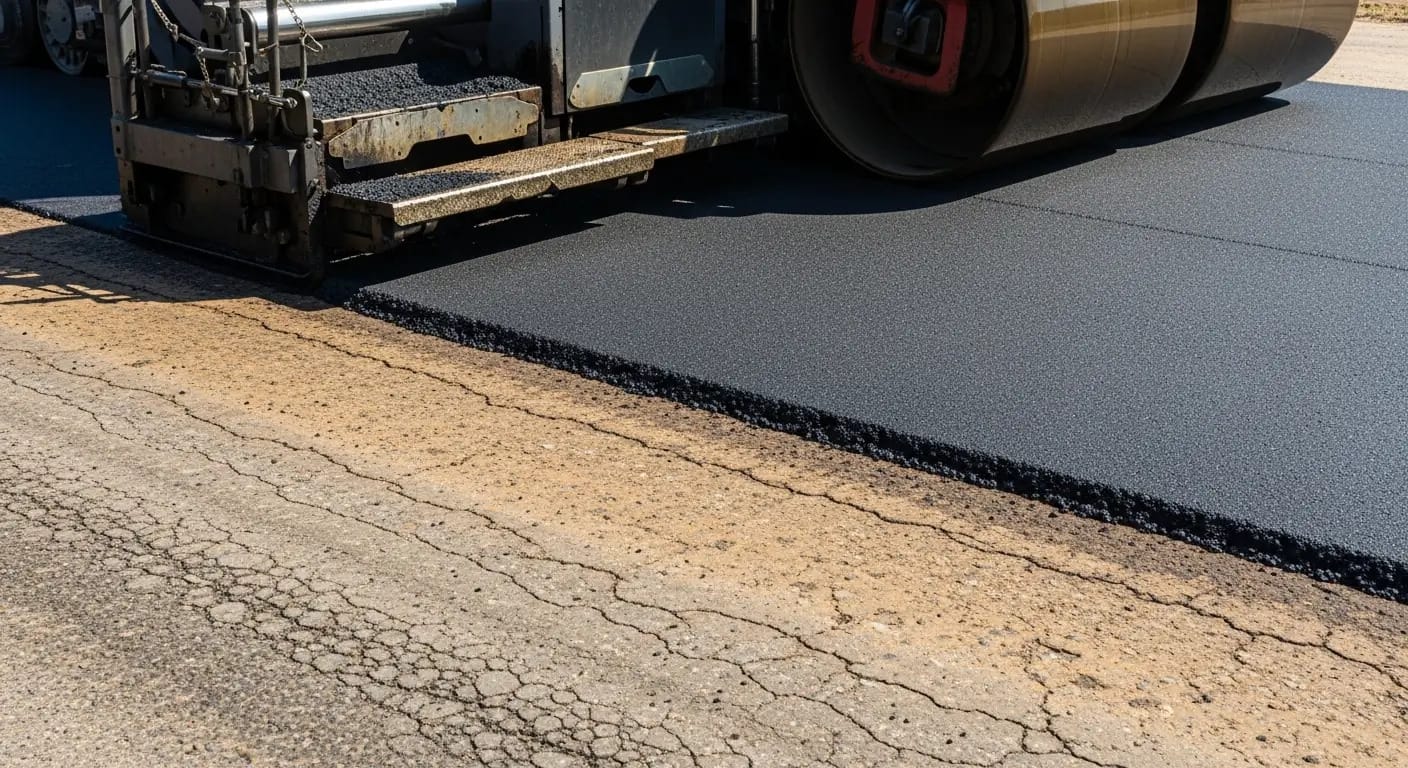
Extend the life of your driveway with asphalt resurfacing in Jacksonville, FL. We install overlays on structurally sound asphalt to cover surface wear, shallow cracks, and weather damage. Our crew mills or cleans the existing surface, then lays a fresh layer of asphalt for a like new finish at a lower cost than full replacement.
Precision Asphalt Jacksonville provides professional asphalt resurfacing throughout Jacksonville, FL, Florida and the surrounding area. Our licensed, insured crew delivers safe, clean, on-time work with a free estimate before anything begins. Call (904) 817-0896 or request your free quote.
Asphalt Resurfacing & Overlays for Jacksonville Properties
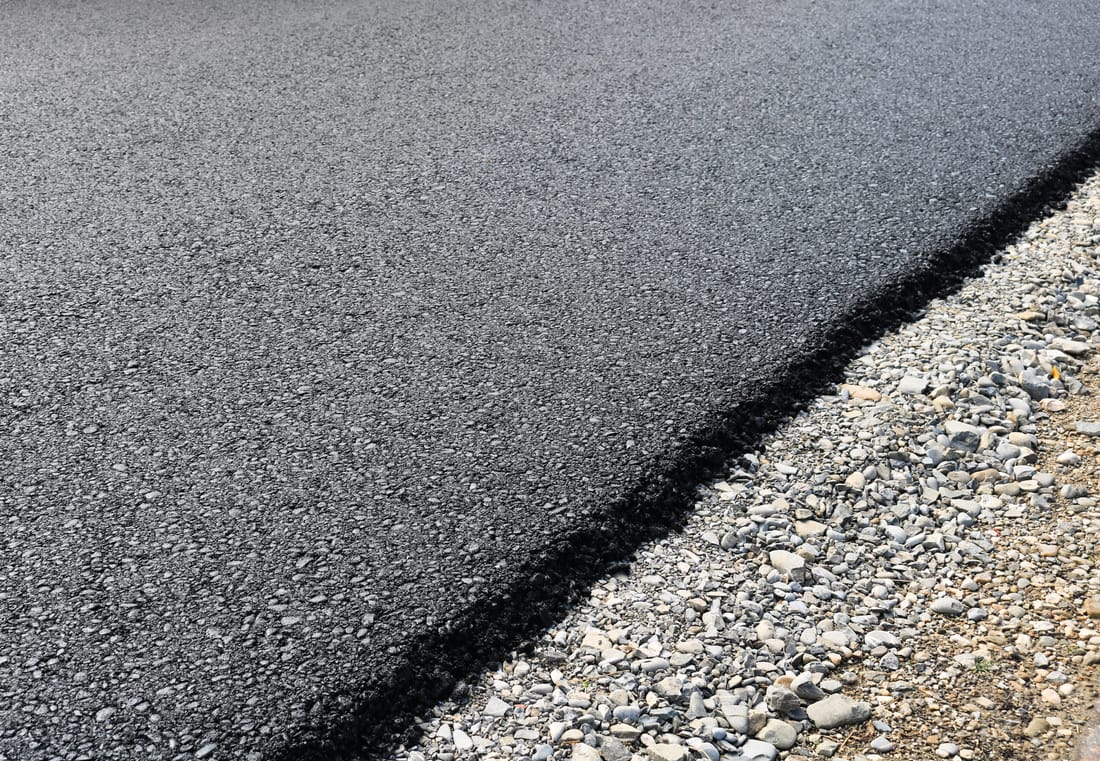
When your asphalt is cracked, rough, or faded but the base is still solid, resurfacing and overlays are often the most cost-effective way to restore it. Precision Asphalt Jacksonville focuses on this middle ground solution, where we save your existing pavement structure and install a new driving surface on top.
In Jacksonville, we most often resurface commercial parking lots, HOA streets, apartment and condo complexes, and high-traffic drive lanes in shopping centers. For homeowners, resurfacing is common on long residential driveways where full removal would be expensive. Our goal is to keep your operation or household moving with minimal downtime and a surface that holds up to heat, storms, and heavy vehicles.
Resurfacing is not a band-aid. When it is done correctly, with proper milling, cleaning, and tack coating, you get performance similar to a new pavement for a fraction of the replacement cost. The key is a clear evaluation of the existing pavement so we know whether resurfacing is appropriate or if there are underlying failures that must be corrected first.
How We Evaluate if Your Asphalt Is a Good Candidate
Before we quote any asphalt resurfacing work in Jacksonville, Precision Asphalt Jacksonville performs a structured inspection. We walk the entire area, document cracks, sagging spots, standing water, and any previous patchwork. We check for alligator cracking, which usually signals base problems, and we note soft or pumping areas that indicate moisture in the base layer.
We also look at traffic patterns. A grocery store drive lane used by semi-trucks needs a different overlay thickness and mix design than a church parking lot used a few days a week. We ask about drainage complaints, such as puddles that never dry after summer thunderstorms, and we pay attention to low spots where the overlay design might need additional leveling.
If we see extensive base failure over large portions of the lot, we will recommend full-depth repair in those zones before any overlay. In other cases, the base is fine, but the top is oxidized, brittle, and cracked from sun and heat. Those projects are usually ideal for resurfacing and overlays. We explain the findings in plain terms, with photos if needed, so you understand exactly why we are recommending resurfacing or why we might refuse to resurface a badly failed surface.
Step-by-Step: Our Asphalt Resurfacing & Overlay Process
Most Jacksonville projects follow a similar process, adjusted for your site conditions and traffic needs.
1. Surface preparation and milling. We begin by cleaning the surface of loose debris and vegetation. If existing asphalt is too high at transitions to concrete, drainage structures, or entrances, we use a milling machine to grind it down to the proper depth. We typically mill 1 to 2 inches at tie-ins and sometimes across entire lanes when cross slopes need correction.
2. Full-depth and localized repairs. Areas with base failure are cut out, usually 4 to 6 inches deep, and the underlying base is reworked or replaced. We compact the base with a plate compactor or roller, then install new hot mix asphalt to match the surrounding grade. Skipping these repairs and simply overlaying on top is how many resurfacing jobs fail early.
3. Cleaning and tack coat. After repairs, we thoroughly sweep the surface. A clean pavement is essential for bonding. Then we apply a tack coat, which is a light application of asphalt emulsion that bonds the new overlay to the old pavement. In Jacksonville’s heat, we manage tack timing carefully so it is still tacky when the new mat is placed, not tracked everywhere by traffic.
4. Laying the overlay. Using a paver, we install a new hot mix asphalt layer, typically 1.25 to 2 inches thick for parking lots and 1.5 to 3 inches for streets or heavy-traffic areas. Mix choice depends on use; for example, tighter surface mixes near building entrances to resist fuel and oil damage, or slightly coarser mixes in loading areas for stability.
5. Compaction and finishing. Steel drum and pneumatic rollers compact the asphalt to target densities. Proper rolling sequence is critical; it locks aggregates together before the mix cools, which is especially important in coastal Florida where afternoon showers can cool the mat faster. We then adjust any utility frames, smooth transitions, and clean up edges.
6. Striping and markings. Once the asphalt has cooled and cured enough, we restripe stalls, fire lanes, ADA spaces, and directional arrows based on your existing layout or a revised plan. For commercial lots, we often improve traffic flow and code compliance during this step.
Material Options, Thickness, and Design Choices
Not every resurfacing job uses the same asphalt mix or thickness. Precision Asphalt Jacksonville designs overlays for your use, not just a generic standard.
Thickness. For light-duty residential driveways, a 1 to 1.5 inch overlay is usually sufficient if the base is solid. For commercial parking lots with frequent delivery trucks, we generally recommend at least 1.5 to 2 inches. Private streets, heavy drive lanes, and dumpster pads may require 2 to 3 inches or multiple lifts to handle point loads.
Mix designs. In Jacksonville, we see a lot of fuel spills at gas stations, drive-thrus, and restaurant parking lanes. In these areas we often recommend a denser surface mix that is more resistant to raveling and deformation. For loading docks and dumpster areas where heavy trucks turn sharply, we may use a stiffer mix with modified binders to limit rutting.
Drainage and slope. Many resurfacing projects are an opportunity to correct long-standing drainage problems. We can feather the new overlay to introduce a slight crown or cross slope so water moves to inlets instead of collecting in wheel paths. At transitions to concrete aprons, sidewalks, and entryways, we carefully set grades to avoid trip hazards while still shedding water. In Jacksonville’s frequent summer downpours, these small slope corrections significantly extend pavement life.
Surface texture and appearance. Some properties want a smoother finish near building entrances and a slightly textured surface in drive lanes for better traction during rain. We control this with mix selection and how the rollers finish the surface. The end result can be tailored so you get both function and a clean, professional look.
What Drives Cost and How Jacksonville Conditions Affect Lifespan
Asphalt resurfacing is usually less expensive than full reconstruction, but costs can vary widely. Precision Asphalt Jacksonville explains pricing in terms of specific site conditions instead of flat per-square-foot promises that rarely hold up.
Primary cost drivers include the total square footage, overlay thickness, how much milling is needed, and the amount of base repair before resurfacing. A lot with isolated failures is far cheaper to prep than one where long stretches of alligator cracking require large cutouts. Access is another factor; busy Jacksonville commercial sites that must stay partially open may need night or phased work, which affects labor costs.
Local climate also matters. Our asphalt mix choices and scheduling are built around Northeast Florida conditions. High temperatures and direct sun can quickly age uncovered asphalt. Heavy afternoon storms can trap water in poorly drained sections, leading to stripping and potholes. To extend lifespan, we focus on proper compaction, strong bond between layers, and water management. When needed, we may recommend a sealcoat a year or two after resurfacing to protect from oxidation and UV exposure.
If you maintain a properly installed overlay with periodic crack sealing and sealcoating, you can expect 8 to 15 years of service on most Jacksonville commercial lots, sometimes longer on low-traffic surfaces. Cutting corners during prep or using a mix that does not match your traffic load usually shortens that to only a few years, which is why we are very specific about what goes into your quote.
What Jacksonville Customers Should Ask Before Hiring
Choosing a contractor for asphalt resurfacing is not just about the lowest price. There are a few questions Precision Asphalt Jacksonville encourages Jacksonville property owners and managers to ask any paving company, including us.
Ask how they evaluate base condition. A company that offers an overlay without checking for soft spots, drainage issues, or structural failures is gambling with your money. Request that they point out any questionable areas onsite and explain how they intend to repair them before resurfacing.
Ask about mix type and thickness specific to your use. If a contractor cannot tell you what mix they plan to use or simply says it is "standard," that is a red flag. Your parking lot with delivery trucks and daily traffic should not be treated the same as a short residential driveway.
Ask how they will manage traffic and access during the project. For Jacksonville businesses, we often stage work so key entrances stay open or we schedule work early mornings, evenings, or weekends. A clear phasing plan prevents confusion and lost business.
Finally, ask about warranty and realistic expectations. We explain what you can expect for lifespan, what maintenance will be needed, and what is covered if something fails early due to our workmanship. A straightforward conversation up front about performance and limitations is the best way to avoid surprises years down the road.