Home › Walkway and Pathway Paving
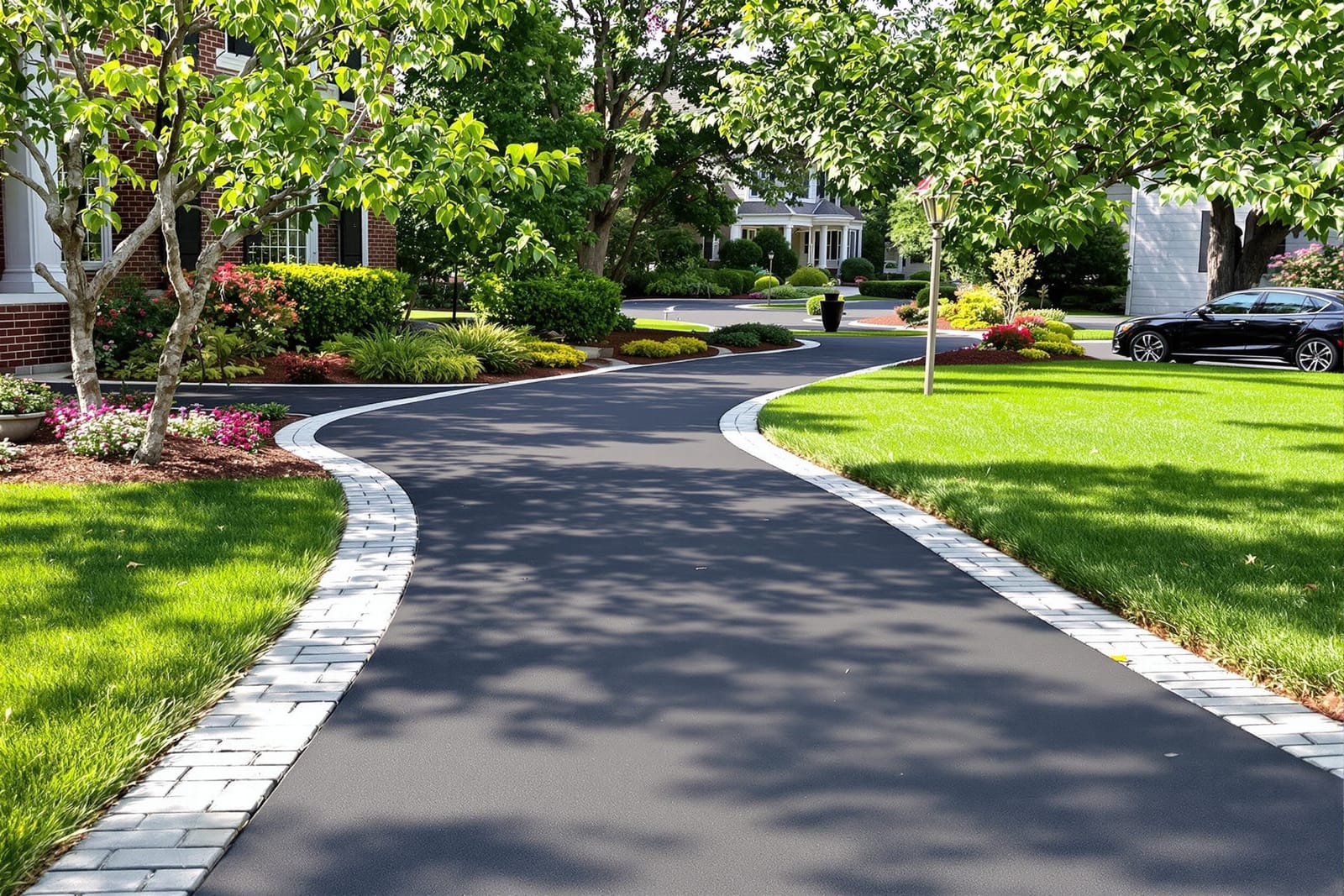
Create smooth, safe access around your property with asphalt walkway paving in Jacksonville, FL. We design and install residential paths that improve usability for driveways, backyards, and garden areas. Our team ensures proper grading and drainage so your new asphalt walkway stays functional and attractive for years.
Precision Asphalt Jacksonville provides professional asphalt walkway paving throughout Jacksonville, FL, Florida and the surrounding area. Our licensed, insured crew delivers safe, clean, on-time work with a free estimate before anything begins. Call (904) 817-0896 or request your free quote.
Asphalt Walkway Paving Tailored to Jacksonville Properties
Precision Asphalt Jacksonville designs and installs asphalt walkways and pathways that fit the way you actually use your property in our hot, humid North Florida climate. Whether you need a clean walkway from driveway to front door, a network of paths around a commercial complex, or a durable route across a school or church campus, we build surfaces that hold up to weather and traffic.
We start by walking the site with you. We look at how people currently move across your property, where water naturally flows after a summer thunderstorm, and any roots or utilities that may affect the layout. From there, we recommend alignments, widths, and asphalt thickness that make sense for your exact use, from light foot traffic to golf carts and maintenance equipment.
Because Jacksonville soils and weather are unique, our walkway designs are specific to this area. We account for soft sandy pockets, clay spots that hold water, and the way afternoon sun beats on shaded versus open paths. The result is asphalt walkway paving that is smooth, safe, and less likely to shift, crack, or hold standing water over time.
How We Build Long Lasting Asphalt Walkways and Paths
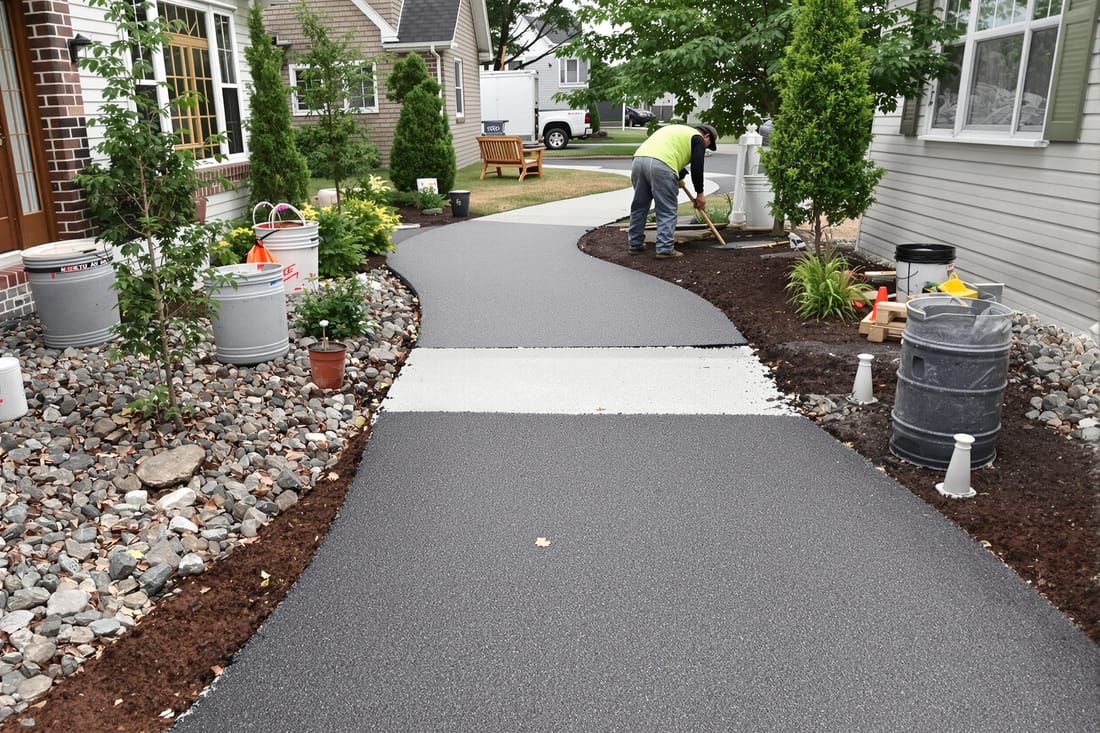
Our asphalt walkway paving process is structured so each step supports the next. Once the layout is agreed, we mark the route with paint and stakes, then call in utility locates to avoid damaging buried lines. After that, we strip sod or old concrete/asphalt and remove any organic material that would rot and cause settling.
We then cut or excavate to the design depth, typically 6 to 10 inches below finished surface for pedestrian walkways and deeper for mixed use paths with carts or light vehicles. The subgrade is checked for soft spots. Any pumping or spongy soil is undercut and replaced with compactable fill. We compact the subgrade with a plate tamper or roller until it is firm and uniform, which is critical in Jacksonville’s variable soils.
Next we install an aggregate base, usually crushed limestone or concrete screenings, in 2 or more lifts. Each lift is compacted to proper density so the base will not settle under daily foot traffic or occasional service vehicles. Only after the base passes our checks for grade and firmness do we place hot mix asphalt. The asphalt is spread to the specified thickness, raked to fine tune slope and transitions, and compacted with a roller or plate compactor at the right temperature window so the surface is dense and smooth.
Design Options That Improve Safety, Comfort, and Appearance
Walkways and pathways do more than connect point A to point B. Precision Asphalt Jacksonville helps you choose details that support safety and appearance while staying practical for the Florida climate.
Width is one of the first decisions. Residential garden paths might be 3 to 4 feet wide, while HOA walking loops, school routes, or hospital walkways often range from 5 to 8 feet so two people or a wheelchair and pedestrian can pass comfortably. In high traffic areas such as apartment complexes or office parks, we often recommend wider sections near entrances, mail kiosks, or loading zones to avoid bottlenecks.
We also use slope and layout to manage water. In Jacksonville, a heavy afternoon storm can drop a lot of rain in minutes. We typically build cross slopes of about 1.5 to 2 percent so water sheds to the sides instead of pooling. In very flat yards or near retention ponds, we may add small swales or catch basins adjacent to the path so water has somewhere to go.
For appearance, customers can choose clean straight runs, gentle curves that follow landscaping, or widened pads at seating areas or intersections. Edge treatments might include flush asphalt edges for a softer look, or defined transitions to concrete borders, pavers, or lawn. We can also adjust surface texture slightly so walkways used by runners and walkers feel secure when wet without looking rough or patchy.
What Drives the Cost of Asphalt Walkway Paving in Jacksonville
Homeowners and property managers often ask why similar length walkways are priced differently. The main drivers of cost for asphalt walkway paving are access, base conditions, thickness, and site complexity.
Access affects labor and equipment. A straight path along a driveway that our crew and roller can reach easily costs less per foot than a pathway behind a fenced backyard where materials must be moved with smaller equipment or by hand. If we need to work around mature trees, tight corners, or occupied facilities during business hours, extra care and time are built into the price.
Base and soil conditions matter just as much. If we find soft or saturated soil, we may need additional excavation, geotextile fabric, or a thicker stone base. Jacksonville neighborhoods that were built on filled low areas or near marshy ground often fall into this category. Investing in proper base work costs more up front but prevents the walkway from sinking or cracking within a couple of seasons.
Asphalt thickness and mix design are another factor. A simple residential foot path with no vehicle traffic can usually use a thinner surface course, while golf cart paths, maintenance access routes, and service walkways around warehouses require thicker asphalt or multiple lifts so the surface does not rut. Longer paths also need careful planning of joint locations and tie ins, which can add to labor but improve long term performance.
Solving Common Walkway Problems in North Florida
Many of our walkway projects in Jacksonville involve fixing existing problems, not just building new paths. The most common issues we see are ponding water, tripping hazards from roots or settled slabs, and surfaces that ravel or break up under sun and moisture.
Standing water is usually a combination of poor slope and failed base. To correct it, we evaluate whether milling the existing asphalt and overlaying with new material is enough, or whether we need to remove sections entirely and rebuild the base. Sometimes a small change in alignment away from a low spot or the addition of a nearby drain makes a big difference in performance.
Tree roots are another local issue, especially in older neighborhoods with large oaks. Instead of simply paving over roots, which leads to rapid heaving and cracking, we look at root patterns and choose either to reroute the path, install root barriers, or in some cases, switch to a slightly raised section that protects both the tree and the pavement. Our goal is a solution that will last more than a season or two.
For surfaces that are crumbling or raveling, we check the thickness and compaction of the existing pavement. In many older walkways, the asphalt layer is too thin or was not compacted correctly. Where the base is still solid, we may mill and replace the top course. Where the base has failed, we remove and rebuild that section properly so the repair does not simply mirror the old problems.
Maintenance, Lifespan, and When to Resurface
With proper construction, asphalt walkways in Jacksonville typically last 15 to 25 years, depending on shade, drainage, and traffic. Maintenance is straightforward, but timing matters.
For new asphalt walkway paving, we usually recommend waiting several months before any sealcoating so the pavement can cure and release oils. After that, periodic sealcoating can help slow oxidation and minor surface wear, particularly on paths with heavy sun exposure. It is important to use a product and schedule suited to light traffic areas, not just parking lot standards.
Crack sealing is another key maintenance task. Even well built paths can develop small cracks from minor movement in the subgrade or tree root activity. Sealing these early keeps water out of the base, which reduces the chance of potholes and edge breakup. For commercial and HOA clients, we often set up a simple inspection routine so we can address small issues before they grow.
When does it make sense to resurface instead of repair? If more than about 25 to 30 percent of the walkway is cracked, patched, or holding water, a mill and overlay or full reconstruction may be more cost effective over the next decade. Precision Asphalt Jacksonville can break down the options with realistic time frames so you can plan around budgets and seasonal use of your property.
What to Know Before You Hire a Walkway Paving Contractor
Choosing a contractor for asphalt walkway paving is not just about the lowest quote. For paths in and around homes, schools, and businesses, you are trusting someone with safety and access.
You should expect a site visit before receiving a firm proposal. Any estimate given without walking the route, checking grades, and discussing drainage is a red flag. Ask how the contractor plans to handle water, what base thickness they recommend, and how they will manage transitions to existing steps, patios, or parking areas.
In Jacksonville, it is important to verify that the company understands local codes and HOA requirements where they apply, especially for community trails and shared walkways. You should also ask about scheduling around school hours, church services, or business hours if your paths are in constant use. A good contractor will plan phases and safe temporary routes instead of simply shutting areas down without notice.
Precision Asphalt Jacksonville provides detailed written scopes, showing thicknesses, base materials, and identified problem areas. We include any allowances for unforeseen subgrade issues so you know ahead of time how those will be handled. This level of transparency helps prevent surprises once construction begins and ensures you end up with a walkway or pathway system that performs the way you expect.