Home › Commercial Gravel-to-Asphalt Conversions
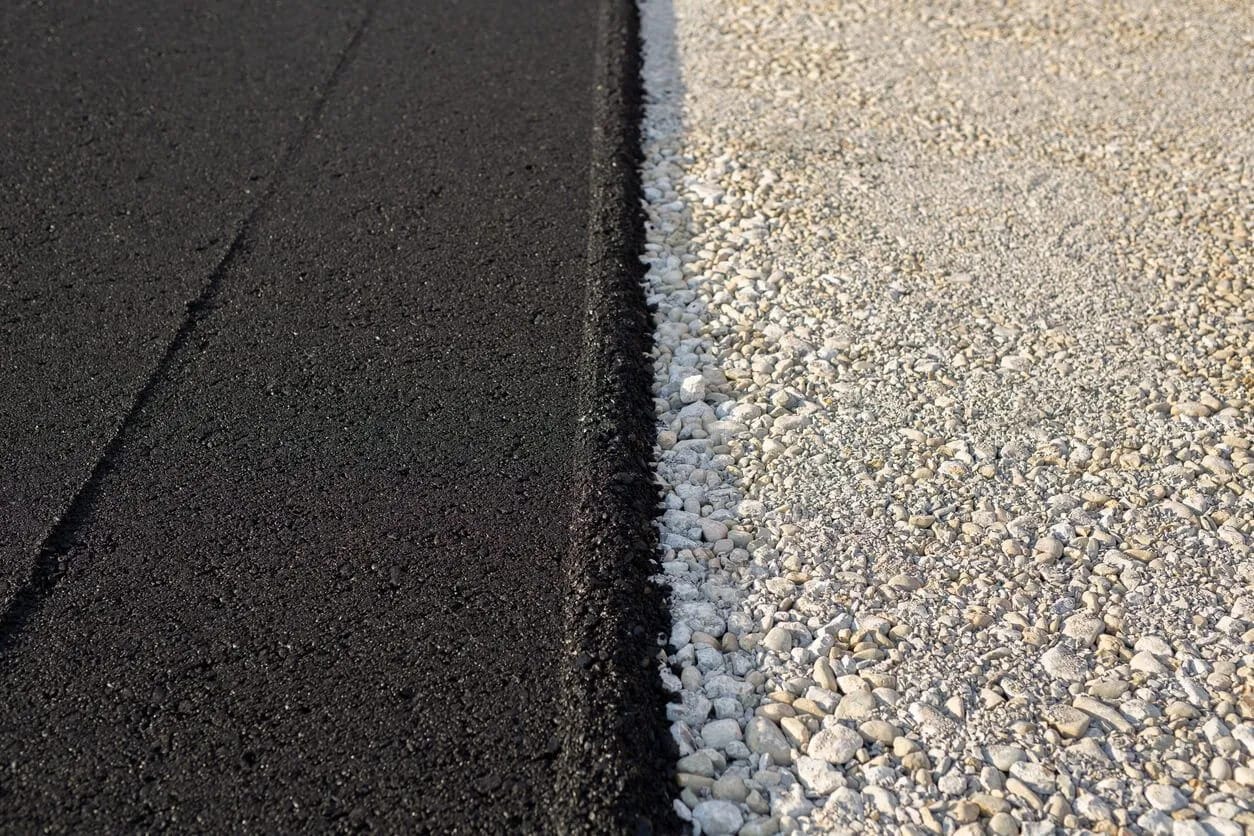
Upgrade dusty, uneven surfaces with commercial gravel to asphalt conversions in Jacksonville, FL. We transform gravel parking lots, drives, and work areas into smooth asphalt that is easier to maintain and stripe. Our team evaluates drainage, strengthens the base, and paves a durable blacktop surface built for daily traffic.
Precision Asphalt Jacksonville provides professional commercial gravel to asphalt throughout Jacksonville, FL, Florida and the surrounding area. Our licensed, insured crew delivers safe, clean, on-time work with a free estimate before anything begins. Call (904) 817-0896 or request your free quote.
Commercial Gravel-to-Asphalt Conversions for Jacksonville Properties
If your commercial lot in Jacksonville is still gravel, you already know the headaches: dust on vehicles, uneven surfaces, drainage ruts, and frustrated customers in rainy season. Precision Asphalt Jacksonville specializes in turning high-maintenance commercial gravel lots into smooth, well-draining asphalt surfaces that hold up to North Florida heat and storms.
We focus specifically on the needs of Jacksonville businesses, from small retail centers along Atlantic and Beach Boulevard to industrial yards near the port and warehouse districts. A gravel-to-asphalt conversion is not just a resurfacing. It is a full rebuild that corrects base problems, drainage issues, and traffic flow so the finished pavement functions correctly and lasts.
When we visit your property, we look at how trucks and cars actually move and park, where water currently collects, and how often heavy vehicles use the lot. This information shapes our design for pavement thickness, base improvements, and striping layout. The goal is a surface that fits your real-world operations, not a one-size-fits-all parking lot.
Step-by-Step: How We Convert Gravel to Asphalt in Jacksonville
A successful commercial gravel-to-asphalt conversion in Jacksonville starts with preparation, not with the first load of asphalt. Our process at Precision Asphalt Jacksonville follows a clear sequence so you know what to expect on your property.
1) Site evaluation and measurements. We walk the lot with you, note soft areas, standing water, and frequent traffic paths. We measure slopes with laser levels so we can plan proper drainage to inlets, swales, or the street without pushing water toward buildings or neighboring properties.
2) Soil and base assessment. Gravel on top can hide weak North Florida soils beneath. In many Jacksonville areas, especially closer to the river or marshy ground, the native soil is softer. We test bearing capacity and check how deep the existing compacted layer actually goes. This determines whether we can rework your existing gravel or need to undercut and replace poor soils.
3) Grading and base construction. We regrade the entire area to establish the final slope and crown. Existing gravel is shaped, then we add additional graded aggregate base if needed. Using vibratory rollers, we compact in lifts so the base is dense and stable. This step is critical for preventing tire ruts and alligator cracking later.
4) Edge and transition planning. Before any asphalt is placed, we set elevations at entrances, loading docks, dumpster pads, and ADA access points. This avoids trip edges and allows a smooth tie-in to city streets and existing concrete such as sidewalks and ramps.
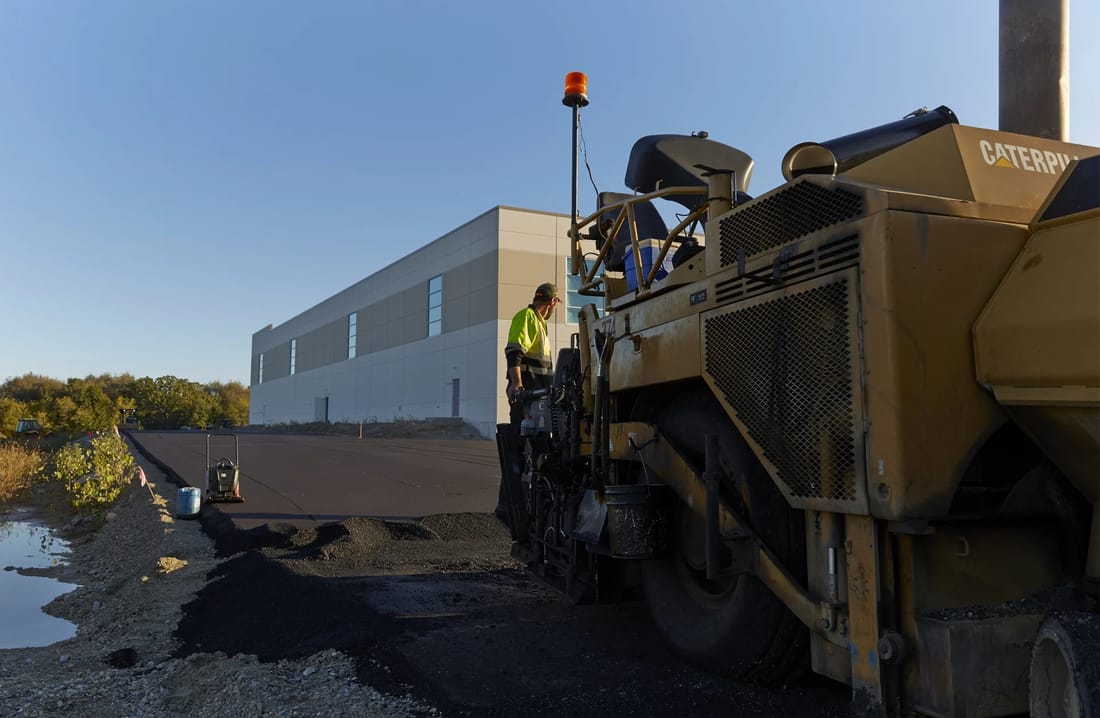
5) Asphalt paving. For most commercial lots we place a base course of asphalt first, then a finer surface course. The exact thickness varies by use, but we always machine-place and then compact with steel drum rollers to achieve a tight, even mat.
6) Markings and final details. Once the asphalt cools, we apply striping, ADA stalls, and directional arrows. If wheel stops or bollards are needed, we install them without damaging the new pavement. We walk the job with you before final sign-off.
Material Choices and Design Options for Your New Asphalt Lot
Not every commercial gravel-to-asphalt conversion needs the same pavement structure. At Precision Asphalt Jacksonville, we match materials and design to how your property is actually used, the space available, and local code requirements.
For light duty parking, such as small offices and neighborhood retail centers, a more modest asphalt thickness over a strong aggregate base is usually sufficient. For heavy duty traffic, like delivery yards, bus parking, or industrial sites, we often recommend a thicker asphalt structure with a stronger base layer. This might include a stabilized base course or increased stone depth to spread loads and protect against rutting from repeated truck traffic.
We talk through options such as using a slightly richer surface mix in high-turn areas (near drive-thru lanes or entrances) to resist shoving and scuffing from tight vehicle movements common in busy Jacksonville commercial corridors. Where forklifts or constant turning movements occur, we may suggest concrete pads at specific locations on top of or beside the new asphalt.
Drainage features are another key design choice. In older parts of Jacksonville, many gravel lots have makeshift drainage that will not meet current standards. Depending on your property, we may recommend surface drainage with swales, new or modified catch basins, or French drains along building edges. All of this is planned before asphalt is placed, so you end up with a dry, usable lot even during summer storms.
We also discuss aesthetics and function: layout of parking stalls to improve traffic flow, adding loading zones, marking fire lanes correctly, and integrating accessible routes from parking to building entrances. The aim is a lot that not only looks new, but actually works better for your customers and staff.
Cost Factors and How to Budget for a Gravel-to-Asphalt Conversion
Commercial gravel-to-asphalt conversions vary widely in cost, and it helps to understand what really drives the price in Jacksonville. Precision Asphalt Jacksonville provides line-item estimates so you can see where your budget is going and make informed decisions.
The biggest cost driver is usually base preparation. If your existing gravel is relatively deep and well compacted, and the underlying soils are firm, we can often reuse much of it and simply regrade and supplement where needed. If the lot has soft pockets, ponding areas, or very thin gravel over clayey or saturated soils, we may need to remove material and replace it with a stronger base, which increases cost but also prevents early failure.
Asphalt thickness is another major factor. Lots that see heavy trucks or high daily traffic require more asphalt and a stronger structure than small office parking lots. Cutting thickness to save money can shorten the life of the pavement, so we will explain where you can reasonably reduce specs and where it is not worth the risk.
Access, layout, and phasing affect cost as well. Tight sites in older Jacksonville commercial areas may require more handwork and careful traffic control. If you need to keep operations running, we can divide the project into phases so part of the lot stays open, though this usually adds some time and mobilization cost.
Finally, any drainage upgrades, new curbing, or concrete work (such as dumpster pads or sidewalks) are separate cost items. We itemize these so you can decide what must be done immediately to meet code or safety needs, and what might be scheduled as a second phase later if your budget requires it.
Common Problems With Old Gravel Lots and How We Fix Them
Many Jacksonville commercial properties have been gravel for years because owners worry that paving will be expensive or complicated. The reality is that converting to asphalt often solves chronic problems that are already costing you money in maintenance, cleanup, and liability.
Dust and mud are the most obvious issues. Customers track mud into stores in rainy season, and fine dust from gravel can coat vehicles and HVAC units in dry months. By installing a dense, well-compacted asphalt surface, we virtually eliminate those issues and reduce ongoing site cleanup.
Another common problem is poor drainage. Old gravel lots often develop low spots where water sits after storms. Leaving this unchanged before paving will simply move the problem to the new asphalt in the form of birdbaths and early surface breakdown. During the conversion, we cut and regrade these areas, adjust slopes, and, where necessary, install drains so water moves off the pavement quickly.
Soft spots and ruts where delivery trucks travel are also typical. These almost always indicate inadequate base or weak native soils. On every gravel-to-asphalt project, we identify these areas during inspection, dig down to see what is happening, then reinforce or rebuild the base where needed. If the lot sees very heavy use, we may recommend additional thickness or localized structural improvements under wheel paths.
Finally, many older gravel lots in Jacksonville have informal parking patterns that lead to congestion and blocked access. When we convert to asphalt, we also design clear striping, drive lanes, and loading zones. The result is safer movement on site and easier compliance with fire access and ADA parking requirements.
What Jacksonville Businesses Should Know Before Hiring a Paving Contractor
Before you commit to a commercial gravel-to-asphalt conversion, there are a few key points every Jacksonville property owner or manager should understand. Precision Asphalt Jacksonville is direct about these items because they determine how successful your project will be long term.
First, ask any contractor how they evaluate and prepare the base, not just how many inches of asphalt they intend to lay. If the conversation never covers soil conditions, compaction testing, or drainage planning, that is a red flag. The appearance of the new pavement on day one tells you very little about how it will perform after heavy Florida rains and summer heat.
Second, confirm how your operations will be maintained during construction. We plan phasing and access routes ahead of time so staff, customers, or trucks can still reach critical entrances. This may include temporary gravel drives, clear signage, and weekend or off-hours work when necessary.
Third, discuss permitting and local standards. In many Jacksonville jurisdictions, converting gravel to asphalt can trigger requirements for stormwater management, marked accessible parking, and occasionally lighting or landscaping adjustments. We coordinate with local codes and can help you understand what applies to your specific property so there are no surprises.
Finally, talk about maintenance expectations. A properly built asphalt lot will last many years, but it still benefits from basic care like periodic crack sealing, keeping drains clear, and avoiding sharp turning of heavy equipment on hot days. We walk our clients through a simple maintenance plan tailored to their site so the investment continues to perform.
If you are considering converting your commercial gravel lot to asphalt anywhere in the Jacksonville, FL area, we are ready to visit the site, listen to your needs, and provide a detailed, straightforward proposal.